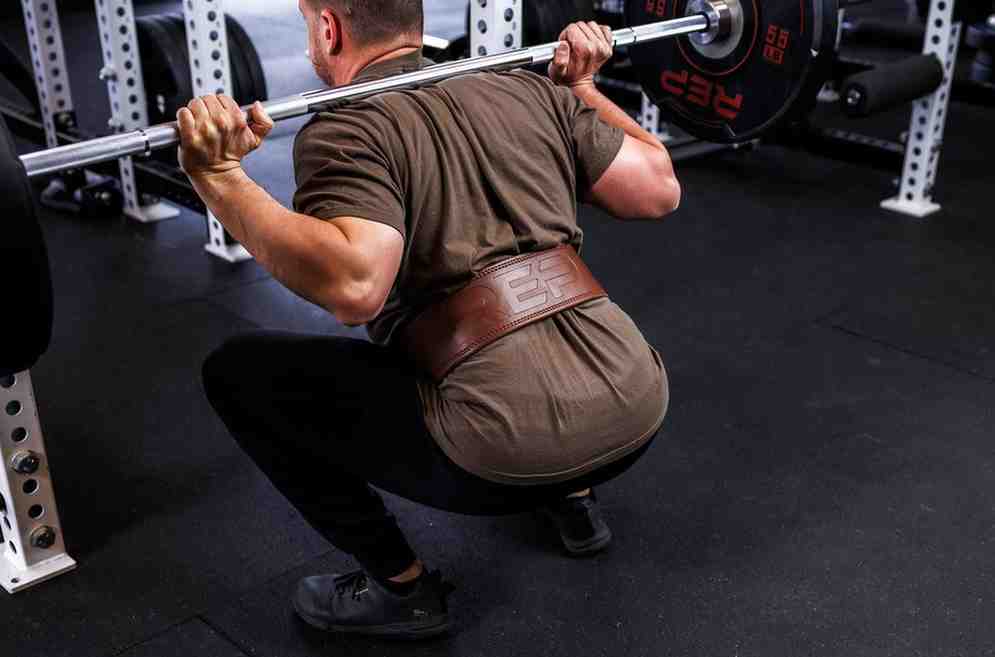
Heavy squats and deadlifts place tremendous stress on your core and lower back. While proper technique should always come first, the right weightlifting belt can provide additional support during challenging lifts and help many lifters feel more stable.
Whether you’re a beginner learning compound exercises or an experienced lifter chasing new personal records, choosing the right gym belt can make a noticeable difference in comfort, confidence, and performance.
However, finding the best weightlifting belt in India isn’t easy.
There are dozens of options available on Amazon and other fitness stores, including:
- Leather lifting belts
- Nylon gym belts
- Lever belts
- Prong belts
- Velcro training belts
Each type is designed for different training styles, and buying the wrong one may leave you with an uncomfortable belt that doesn’t match your needs.
That’s why we’ve researched the most popular options available in India and created this detailed guide.
In this article you’ll learn:
✔ Best weightlifting belts in India
✔ Which belt is best for squats
✔ Which belt is best for deadlifts
✔ Leather vs nylon belts
✔ Lever vs prong belts
✔ How to choose the correct size
✔ Common buying mistakes
By the end of this guide, you’ll know exactly which lifting belt suits your goals and budget.
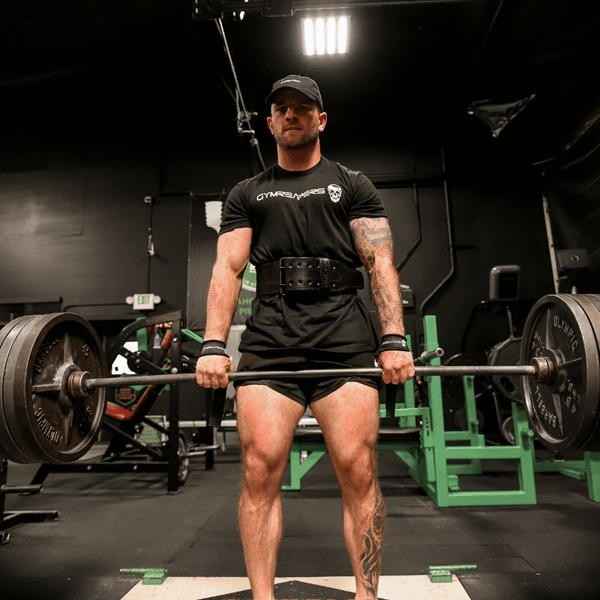
⭐ Quick Answer
Best Weightlifting Belts in India (2026)
🥇 USI Universal Leather Weightlifting Belt – Best Overall
🥈 Harbinger 4-Inch Padded Leather Belt – Best Premium Choice
🥉 Boldfit Gym Weightlifting Belt – Best Value for Money
🏅 Kobo Weightlifting Belt – Best for Beginners
🎖️ Aurion Gym Support Belt – Best Budget Pick
If you’re buying your first lifting belt, a durable leather or high-quality nylon belt from a trusted brand is usually the best starting point.
What Is a Weightlifting Belt?
A weightlifting belt is a supportive training accessory worn around your waist during heavy resistance exercises such as:
- Squats
- Deadlifts
- Overhead Press
- Barbell Rows
- Strongman Exercises
Contrary to a common myth, a lifting belt does not replace your core muscles.
Instead, it provides a firm surface for your abdominal muscles to brace against, which may help improve trunk stability during heavy lifts when used correctly.
For this reason, weightlifting belts are popular among:
- Powerlifters
- Bodybuilders
- Olympic weightlifters
- CrossFit athletes
- Recreational gym-goers
How Does a Weightlifting Belt Work?
When you take a deep breath and brace your core before lifting, pressure builds inside your abdomen. This is called intra-abdominal pressure.
A lifting belt provides resistance against your abdominal wall, helping you create and maintain that pressure more effectively.
This additional support can help many lifters feel more stable during heavy compound movements.
Remember:
👉 A lifting belt supports good lifting technique—it does not compensate for poor form.
Learning proper squat and deadlift mechanics should always come first.
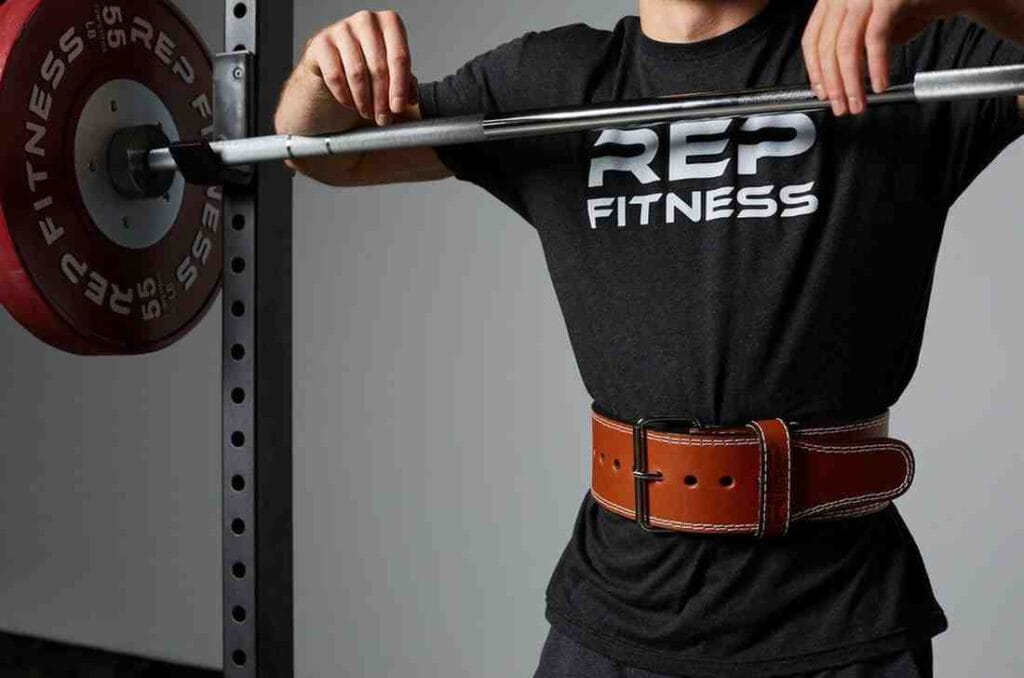
Benefits of Using a Weightlifting Belt
1. Better Core Stability
A belt gives your core something to brace against during heavy lifts.
Many lifters report feeling more secure under challenging loads.
2. Improved Confidence
Attempting a heavy squat or deadlift can feel intimidating.
A properly fitted belt often gives lifters greater confidence when approaching heavier weights.
3. Support During Heavy Compound Lifts
Weightlifting belts are most commonly used for exercises such as:
- Back Squats
- Front Squats
- Deadlifts
- Romanian Deadlifts
- Overhead Press
- Strongman Carries
For lighter isolation exercises, a belt is usually unnecessary.
4. Reduced Belt Slippage During Training
Quality lifting belts are designed to stay firmly in place while you move through heavy repetitions.
Features like reinforced stitching and secure buckles help improve stability.
5. Long-Term Durability
A well-made leather or premium nylon belt can last for years with proper care.
Although the initial cost may be higher, investing in a durable belt can be more economical than replacing cheaper options frequently.
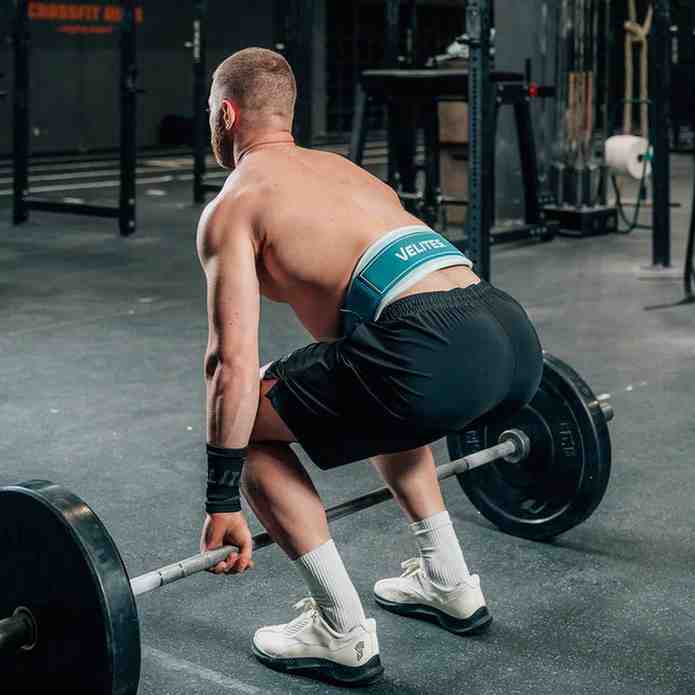
Do Beginners Need a Weightlifting Belt?
This is one of the most common questions.
The short answer:
Not immediately.
If you’re just starting the gym:
Focus first on:
✔ Learning proper exercise technique
✔ Building core strength
✔ Mastering breathing and bracing
Once you’re regularly performing heavier compound lifts, a lifting belt can become a useful training accessory.
For many beginners, purchasing a belt after establishing a consistent routine makes more sense than buying one on the first day.
Who Should Buy a Weightlifting Belt?
A lifting belt may be worth considering if you:
✔ Perform heavy squats
✔ Deadlift regularly
✔ Train for strength
✔ Practice powerlifting
✔ Train multiple times per week
✔ Want additional support during heavy compound movements
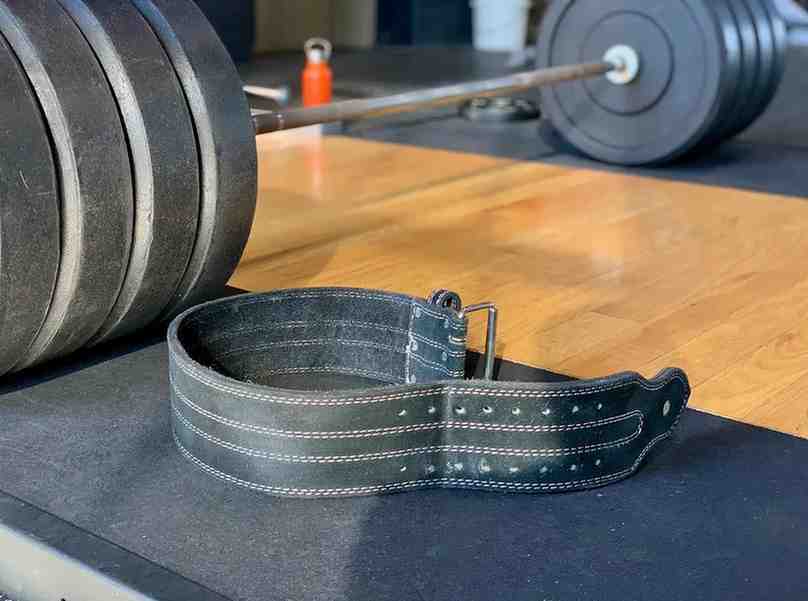
If your workouts mainly consist of light dumbbells, machines, or cardio, you may not benefit much from wearing a lifting belt.
Who Should NOT Use One?
A lifting belt isn’t necessary for everyone.
You may not need one if:
- You’re learning basic movement patterns.
- You’re lifting very light weights.
- Your primary goal is general fitness rather than heavy strength training.
Also, avoid relying on a belt for every exercise. Developing natural core strength remains important for long-term progress.
Common Myths About Weightlifting Belts
Myth 1: Belts Make Your Core Weak
False.
A belt does not replace your core muscles. It is a tool to support proper bracing during heavy lifts.
Myth 2: Beginners Must Wear a Belt
False.
Many beginners can train safely without a belt while learning technique.
Myth 3: A Belt Prevents All Injuries
False.
No equipment can eliminate injury risk.
Good technique, appropriate training loads, adequate recovery, and gradual progression remain the most important factors.
Types of Weightlifting Belts
Choosing the right type of lifting belt is just as important as choosing the right brand. Different belts are designed for different training styles, comfort levels, and lifting goals.
1. Leather Weightlifting Belt
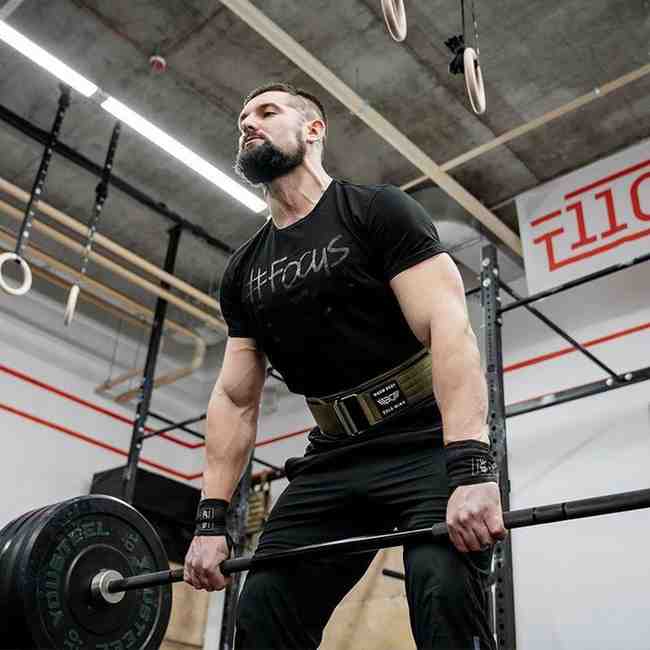
Leather belts are the gold standard for serious strength training.
Best For
- Heavy squats
- Deadlifts
- Powerlifting
- Bodybuilding
Advantages
✔ Extremely durable
✔ Excellent core support
✔ Long lifespan
✔ High stability under heavy loads
Disadvantages
✖ More expensive
✖ Requires a break-in period
Recommendation: If you regularly lift heavy weights, a quality leather belt is a worthwhile long-term investment.
2. Nylon Weightlifting Belt
Nylon belts are lightweight and comfortable.
Best For
- Beginners
- Functional fitness
- CrossFit
- General gym workouts
Advantages
✔ Lightweight
✔ Comfortable
✔ Easy to adjust
✔ More affordable
Disadvantages
✖ Less rigid than leather
✖ Not ideal for maximum powerlifting attempts
3. Lever Belt
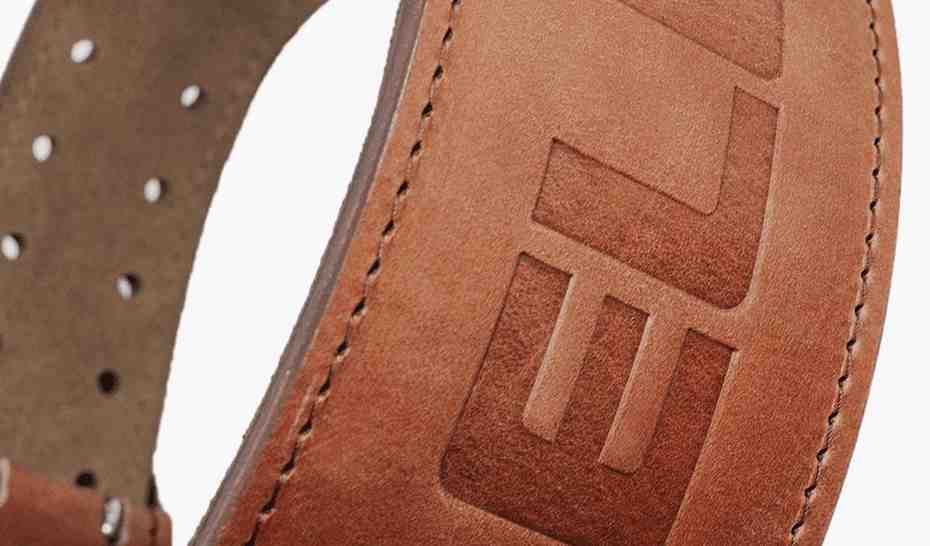
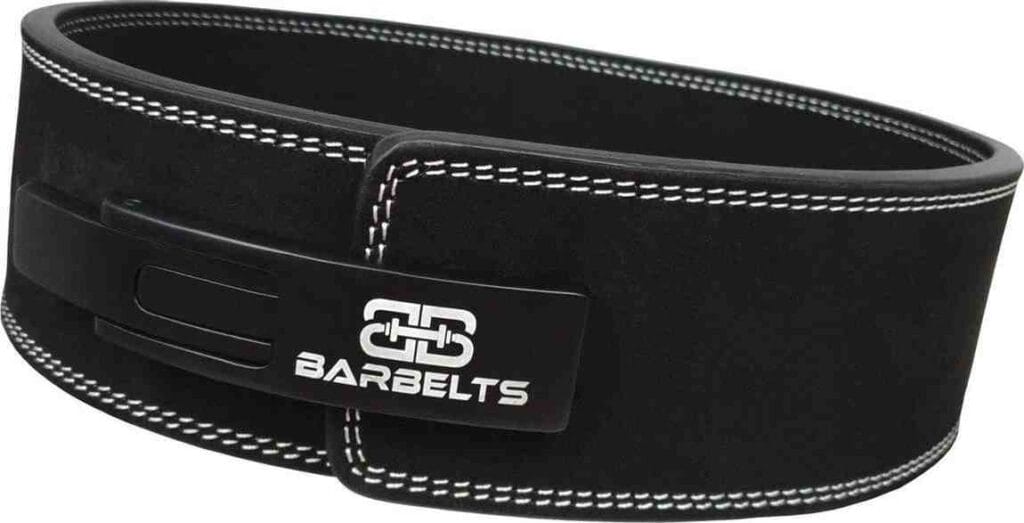
A lever belt uses a metal lever buckle for quick fastening.
Advantages
✔ Very secure
✔ Consistent tightness
✔ Excellent for heavy lifting
Disadvantages
✖ More expensive
✖ Size adjustments require tools
4. Prong Belt
Prong belts use traditional buckle holes similar to a regular belt.
Advantages
✔ Easy to adjust
✔ Reliable
✔ Popular among powerlifters
Disadvantages
✖ Slightly slower to tighten than lever belts
5. Velcro Belt
Velcro belts are flexible and quick to wear.
Best For
- Beginners
- Circuit training
- Light workouts
Advantages
✔ Comfortable
✔ Lightweight
✔ Easy to remove
Disadvantages
✖ Less support for very heavy lifts
Top 10 Best Weightlifting Belts in India (2026)
After comparing build quality, comfort, durability, customer feedback, and value for money, these are our top recommendations.
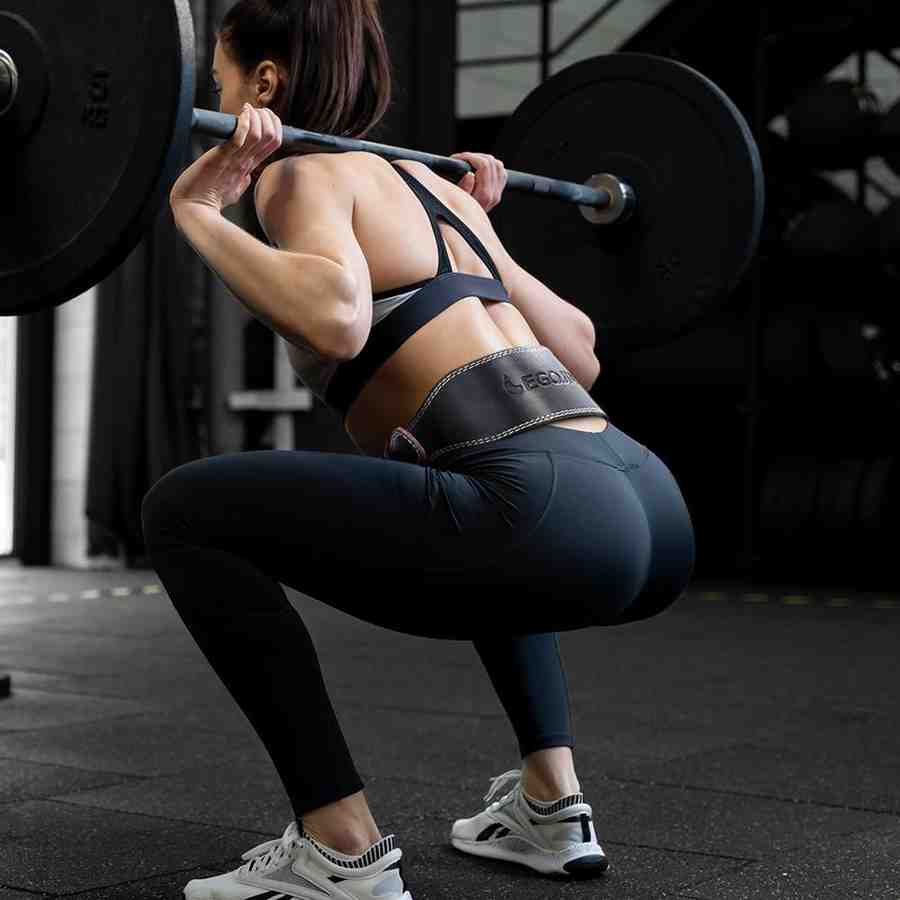
🥇 1. USI Universal Leather Weightlifting Belt
Best Overall
Overview
USI Universal is one of India’s most trusted fitness equipment brands. Their leather lifting belt offers excellent support for serious gym training.
Key Features
- Genuine leather construction
- Double-prong buckle
- Reinforced stitching
- Available in multiple sizes
Pros
✔ Outstanding durability
✔ Excellent lumbar support
✔ Comfortable after break-in
✔ Trusted brand
Cons
✖ Slightly stiff initially
Best For
- Heavy squats
- Deadlifts
- Strength training
- Long-term use
Why Buy It?
If you’re planning to train consistently for years, this is one of the best investments you can make.
👉 CheckBest Price on Amazon
🥈 2. Harbinger 4-Inch Leather Weightlifting Belt
Best Premium Choice
Overview
Harbinger is a globally recognized fitness brand known for producing high-quality lifting accessories.
Key Features
- Premium leather
- Comfortable inner lining
- Excellent lower-back support
- Heavy-duty buckle
Pros
✔ Premium quality
✔ Comfortable fit
✔ Great stability
✔ Excellent craftsmanship
Cons
✖ Premium price
Best For
- Experienced lifters
- Serious bodybuilding
- Powerlifting
👉 Check Offer on Amazon
🥉 3. Boldfit Weightlifting Belt
Best Value for Money
Overview
Boldfit has become one of India’s fastest-growing fitness brands, offering quality gym accessories at competitive prices.
Key Features
- Adjustable fit
- Comfortable padding
- Durable construction
- Beginner-friendly
Pros
✔ Affordable
✔ Comfortable
✔ Easy to use
✔ Great Amazon ratings
Cons
✖ Less rigid than premium leather belts
Best For
- Beginners
- Intermediate gym users
- Daily workouts
👉 Check Latest Price on Amazon
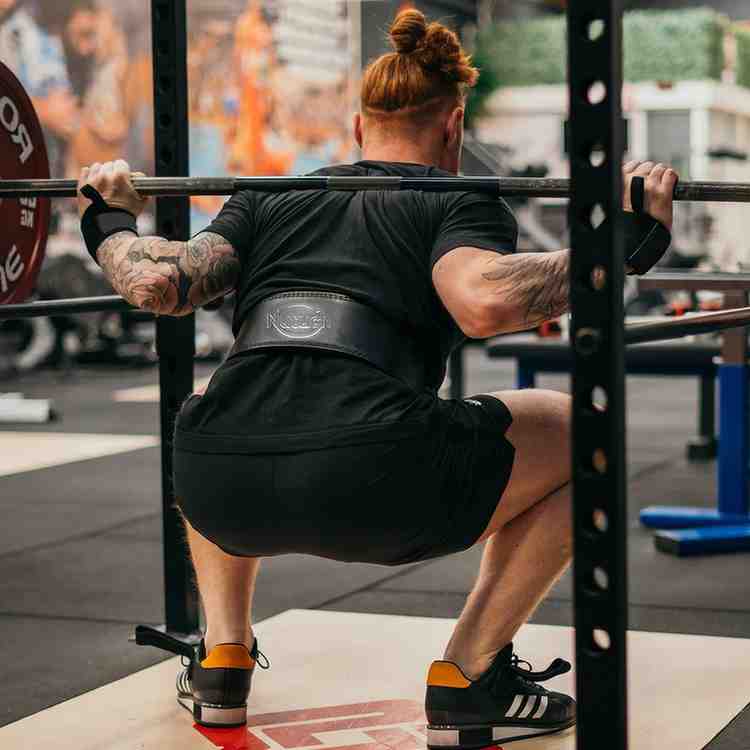
🏅 4. Kobo Weightlifting Belt
Best for Beginners
Overview
Kobo offers a balance of affordability and performance, making it a solid choice for first-time buyers.
Key Features
- Lightweight design
- Secure buckle
- Comfortable material
- Adjustable sizing
Pros
✔ Budget-friendly
✔ Comfortable
✔ Good grip
✔ Easy maintenance
Cons
✖ Not designed for elite powerlifting
Best For
- Home gym users
- New gym members
- Moderate lifting
👉 Check discount on Amazon
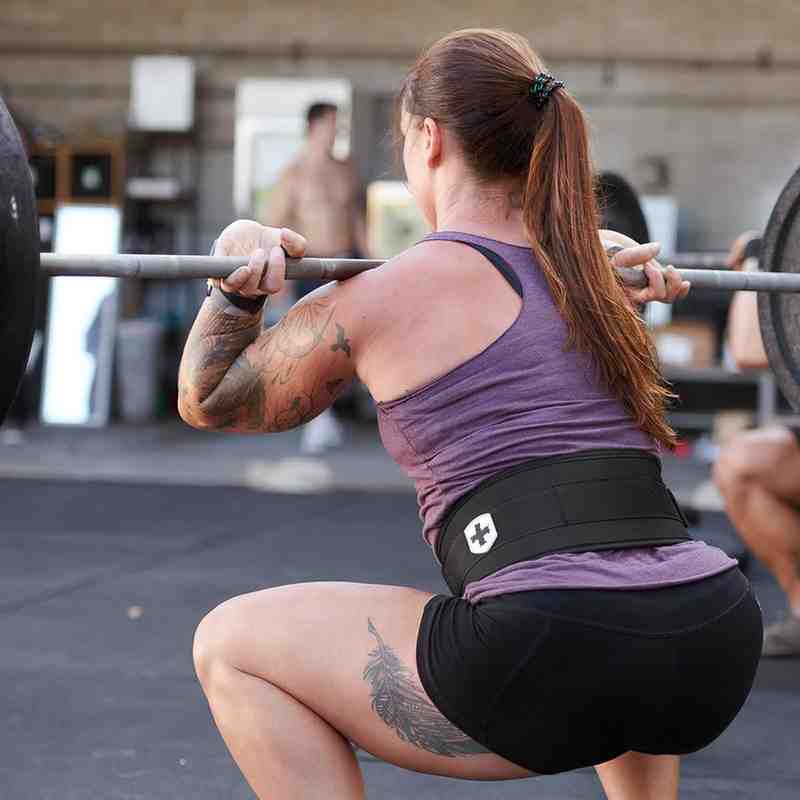
🎖️ 5. Aurion Weightlifting Belt
Best Budget Pick
Overview
Aurion is a practical option for beginners who want additional support without spending a lot.
Key Features
- Adjustable Velcro closure
- Breathable material
- Lightweight
- Compact design
Pros
✔ Affordable
✔ Comfortable
✔ Easy to carry
✔ Good value
Cons
✖ Limited support for very heavy lifts
Best For
- Beginners
- Functional fitness
- General workouts
👉 Check Latest Price on Amazon
Quick Comparison Table
| Product | Material | Best For | Price Range |
|---|---|---|---|
| USI Universal | Leather | Overall | ₹₹₹ |
| Harbinger | Leather | Premium | ₹₹₹₹ |
| Boldfit | Nylon | Value | ₹₹ |
| Kobo | Nylon | Beginners | ₹₹ |
| Aurion | Nylon | Budget | ₹ |
Expert Recommendation
If your goal is maximum strength and long-term durability, choose a leather belt like USI Universal or Harbinger.
If you’re just starting your fitness journey or train recreationally, Boldfit and Kobo offer excellent value without spending a premium.
🏆 Top 10 Best Weightlifting Belts in India (2026)
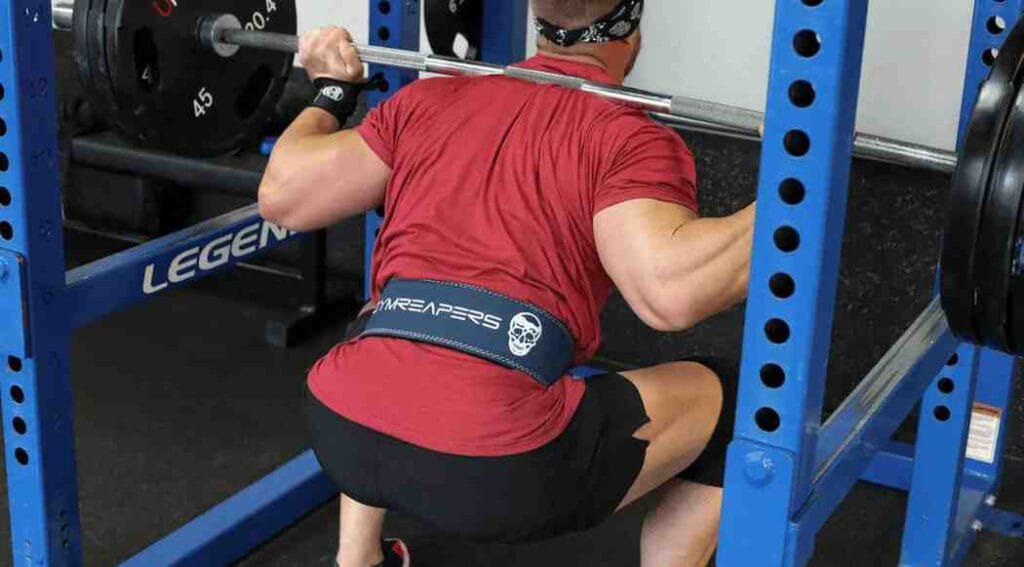
6. Gymreapers Weightlifting Belt
Best International Choice
Overview
Gymreapers is a globally recognized brand trusted by powerlifters and serious strength athletes. Although it costs more than many Indian options, its build quality and durability make it a premium investment.
Key Features
- Premium nylon construction
- Heavy-duty Velcro closure
- Reinforced stitching
- Adjustable fit
- Comfortable lumbar support
Pros
✔ Excellent durability
✔ Comfortable even during long workouts
✔ Strong support for heavy compound lifts
✔ Trusted international brand
Cons
✖ Expensive
✖ Availability may vary in India
Best For
- Advanced lifters
- Heavy deadlifts
- Powerlifting
- CrossFit athletes
👉 Check Best Price on Amazon
7. Domyos Weightlifting Belt
Best for Beginners
Overview
Domyos offers reliable quality at an affordable price, making it a good option for people starting strength training.
Pros
✔ Affordable
✔ Comfortable
✔ Easy to adjust
✔ Lightweight
Cons
✖ Not suitable for maximum lifts
Best For
- Beginners
- Home workouts
- General gym use
👉 Check Latest Price on Amazon
8. Tynor Weightlifting Belt
Best Lumbar Support
Although primarily designed for back support, some recreational gym users prefer Tynor for light strength training and rehabilitation exercises.
Pros
✔ Comfortable
✔ Good lower back support
✔ Breathable
Cons
✖ Not intended for competitive powerlifting
Best For
- Rehabilitation
- Light gym sessions
- Beginners
👉 Check Latest Price on Amazon
9. FitBox Sports Weightlifting Belt
Best Mid-Range Option
Pros
✔ Strong Velcro
✔ Good quality stitching
✔ Comfortable fit
✔ Lightweight
Cons
✖ Moderate support for very heavy lifting
Best For
- Intermediate gym users
👉 Check Discount Price on Amazon
10. Amazon Basics Weightlifting Belt
Best Budget Alternative
Amazon Basics occasionally offers gym accessories with reliable quality and competitive pricing.
Pros
✔ Affordable
✔ Comfortable
✔ Easy sizing
Cons
✖ Basic features
Best For
- Budget-conscious buyers
👉 Check Latest Price on Amazon
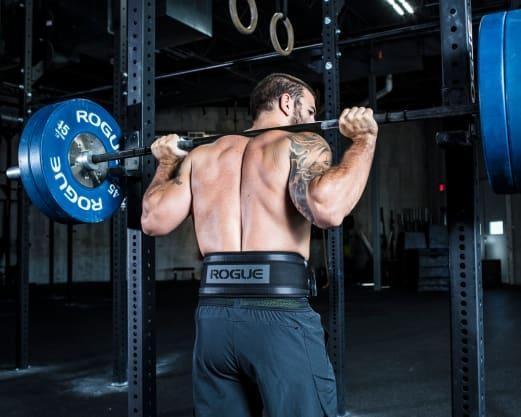
📊 Complete Comparison Table
| Product | Material | Closure | Support | Best For |
|---|---|---|---|---|
| USI Universal | Leather | Double Prong | ⭐⭐⭐⭐⭐ | Overall |
| Harbinger | Leather | Double Prong | ⭐⭐⭐⭐⭐ | Premium |
| Boldfit | Nylon | Velcro | ⭐⭐⭐⭐ | Value |
| Kobo | Nylon | Velcro | ⭐⭐⭐⭐ | Beginners |
| Aurion | Nylon | Velcro | ⭐⭐⭐ | Budget |
| Gymreapers | Nylon | Velcro | ⭐⭐⭐⭐⭐ | Advanced |
| Domyos | Nylon | Velcro | ⭐⭐⭐ | Beginners |
| Tynor | Elastic | Velcro | ⭐⭐⭐ | Back Support |
| FitBox | Nylon | Velcro | ⭐⭐⭐⭐ | Intermediate |
| Amazon Basics | Nylon | Velcro | ⭐⭐⭐ | Budget |
Leather vs Nylon Weightlifting Belt
Many buyers struggle to decide between leather and nylon belts.
Leather Belt
Advantages
✔ Maximum support
✔ Extremely durable
✔ Better for heavy squats
✔ Better for deadlifts
Disadvantages
✖ Heavier
✖ Requires break-in
✖ More expensive
Nylon Belt
Advantages
✔ Lightweight
✔ Comfortable
✔ Flexible
✔ Better for CrossFit
✔ Easier to adjust
Disadvantages
✖ Less rigid
✖ Not ideal for maximal powerlifting attempts
Winner
For Powerlifting
🏆 Leather Belt
For Bodybuilding
🏆 Leather Belt
For CrossFit
🏆 Nylon Belt
For Beginners
🏆 Nylon Belt
Lever Belt vs Prong Belt vs Velcro Belt
Lever Belt
Advantages
✔ Extremely secure
✔ Same tightness every lift
✔ Excellent for competition
Disadvantages
✖ Expensive
✖ Difficult to resize
Prong Belt
Advantages
✔ Easy adjustment
✔ Reliable
✔ Widely used
Disadvantages
✖ Slightly slower to tighten
Velcro Belt
Advantages
✔ Fast adjustment
✔ Comfortable
✔ Lightweight
Disadvantages
✖ Less support during maximal lifts
Which Belt Should You Choose?
Beginner
✔ Nylon Velcro Belt
Intermediate
✔ Premium Nylon or Leather Belt
Advanced
✔ Leather Prong Belt
Competitive Powerlifter
✔ Lever Belt
10mm vs 13mm Weightlifting Belt
10mm Belt
Ideal for:
✔ Bodybuilding
✔ General strength training
✔ Most gym users
Pros
✔ Comfortable
✔ Easier to break in
✔ Flexible
13mm Belt
Ideal for:
✔ Competitive powerlifting
✔ Extremely heavy squats
Pros
✔ Maximum support
Cons
✖ Less comfortable
✖ More difficult for beginners
4-Inch Belt vs Tapered Belt
4-Inch Straight Belt
Best for:
✔ Squats
✔ Deadlifts
✔ Powerlifting
Provides even support around the torso.
Tapered Belt
Best for:
✔ Functional training
✔ General fitness
✔ Users who prefer greater freedom of movement
Expert Recommendation
For most people training in commercial gyms, a 4-inch, 10mm leather or high-quality nylon belt offers the best balance of comfort, support, and versatility.
Beginners do not need an expensive competition belt. Focus on learning proper lifting technique first, then choose a belt that matches your training style and budget.
🛒 Complete Buying Guide: How to Choose the Best Weightlifting Belt
Buying the right weightlifting belt isn’t just about choosing the most expensive option. The ideal belt depends on your training style, lifting goals, body type, and budget.
1. Choose the Right Material
Leather Belt
Best for:
- Heavy squats
- Deadlifts
- Powerlifting
- Long-term durability
Leather belts offer maximum support but usually require a short break-in period.
Nylon Belt
Best for:
- Beginners
- Functional fitness
- CrossFit
- General gym workouts
Nylon belts are lighter, more flexible, and usually less expensive.
2. Pick the Correct Width
Most gym users should choose a 4-inch (10 cm) belt because it provides even support around the core.
A tapered belt may be more comfortable if you have a shorter torso or prefer greater mobility.
3. Select the Correct Thickness
10mm Belt
✔ Comfortable
✔ Suitable for most gym-goers
✔ Recommended for bodybuilding and strength training
13mm Belt
✔ Maximum support
✔ Preferred by many competitive powerlifters
✔ Less comfortable for beginners
4. Check the Buckle Type
Double-Prong
- Secure
- Durable
- Traditional design
Lever
- Fast to tighten
- Consistent fit
- Best for advanced lifters
Velcro
- Easy to adjust
- Comfortable
- Ideal for beginners and CrossFit
5. Buy the Correct Size
Do not choose your belt based on trouser size.
Instead:
✔ Measure around your waist at the point where you’ll wear the belt.
✔ Compare your measurement with the manufacturer’s sizing chart.
A properly fitted belt should feel snug without restricting breathing.
🏋️ How to Wear a Weightlifting Belt Correctly
Many beginners wear a lifting belt incorrectly.
Follow these simple steps:
Step 1
Position the belt around your midsection so it sits comfortably above your hips.
Step 2
Tighten the belt firmly—but not so tightly that you cannot take a deep breath.
Step 3
Take a deep breath into your abdomen and brace your core before lifting.
Step 4
Maintain that brace throughout the lift.
The belt should support proper bracing—not replace it.
⚠️ Common Mistakes to Avoid
❌ Wearing a Belt for Every Exercise
You don’t need a lifting belt for:
- Bicep curls
- Triceps pushdowns
- Lateral raises
- Light machine exercises
Reserve it for heavy compound movements.
❌ Tightening the Belt Too Much
If you cannot breathe properly, it’s too tight.
❌ Ignoring Technique
A belt cannot compensate for poor lifting form.
Always prioritize technique first.
❌ Buying the Cheapest Belt Available
Low-quality belts often wear out quickly and may provide inadequate support.
❌ Choosing the Wrong Size
Always measure your waist before ordering.
🧼 How to Maintain Your Weightlifting Belt
A good belt can last many years with proper care.
Leather Belts
- Wipe with a dry cloth after use.
- Avoid prolonged moisture exposure.
- Store flat or hang it.
Nylon Belts
- Hand wash if necessary.
- Air dry completely.
- Keep away from direct sunlight for long periods.
❓ Frequently Asked Questions
Which weightlifting belt is best in India?
USI Universal and Harbinger are among the strongest options for heavy lifting, while Boldfit and Kobo provide excellent value for beginners.
Do beginners need a weightlifting belt?
Not immediately. Focus on learning proper lifting technique and building core strength first. A belt becomes more useful as training loads increase.
Is a leather belt better than a nylon belt?
Leather belts generally provide greater rigidity for heavy strength training, while nylon belts are lighter and more comfortable for functional fitness.
What thickness should I buy?
A 10mm belt is suitable for most gym users. A 13mm belt is typically chosen by advanced powerlifters.
Should I wear a belt for every workout?
No. Use it mainly during heavy compound lifts such as squats and deadlifts.
Can a weightlifting belt prevent back injuries?
A belt may improve trunk stability during heavy lifts, but it cannot prevent injuries. Good technique, appropriate training loads, and proper recovery remain essential.
Can women use weightlifting belts?
Yes. Many belts are suitable for both men and women. The correct size and fit are more important than gender-specific marketing.
Is a lifting belt useful for bodybuilding?
Yes. Bodybuilders often use belts during heavy compound exercises while training without one for lighter movements.
Can I deadlift without a belt?
Yes. Many lifters train beltless. A belt is a supportive tool—not a requirement.
How long does a good lifting belt last?
A high-quality leather belt can last for many years with proper care.
Best Gym Gloves for Weight Training in India
Best Shaker Bottle for Gym in India
Best Pre-Workout in India
Best Creatine for Muscle Gain in India
Creatine Before or After Workout
Best Whey Protein for Beginners in India
Best Adjustable Dumbbells for Home Gym in India
Best Home Gym Setup Under ₹10,000
Best Home Gym Setup Under ₹20,000
🏁 Final Verdict
A weightlifting belt is one of the most valuable gym accessories for people who regularly perform heavy compound lifts.
For most gym-goers:
🥇 USI Universal Leather Weightlifting Belt is our overall top recommendation because of its durability, support, and long-term value.
If you’re on a budget, Boldfit and Kobo offer excellent performance at a lower price.
Remember that a lifting belt is not a shortcut to strength. The biggest improvements still come from:
✔ Proper technique
✔ Progressive overload
✔ Consistent training
✔ Adequate recovery
Choose a belt that matches your training style, use it correctly, and continue focusing on strong lifting fundamentals.
⭐ Author’s Recommendation
If you’re buying your first weightlifting belt:
- Choose a 4-inch, 10mm belt.
- Pick a trusted brand.
- Buy the correct size using the manufacturer’s chart.
- Practice proper bracing technique before relying on the belt for heavy lifts.
Used wisely, a quality lifting belt can become a long-lasting part of your strength training equipment.