
🧠 Introduction
If you’re a teenager (or a parent), you’ve probably asked:
👉 Is creatine safe for teenagers?
👉 Can teens take creatine for muscle gain?
👉 Will it cause side effects?
You’re not alone.
With gym culture growing in India, many teenagers want faster results — and creatine becomes the first supplement they consider.
👉 But here’s the truth…
👉 Creatine is powerful — but not for everyone.
👉 In this guide, you’ll learn:
✔ Is creatine safe for teens
✔ Right age to start
✔ Risks & precautions
✔ Expert recommendations

🏆 Quick Answer: Is Creatine Safe for Teenagers?
👉 Creatine is one of the most researched sports supplements.
For teenagers, the answer depends on several factors, including:
✔ Age
✔ Overall health
✔ Training experience
✔ Diet quality
✔ Guidance from a qualified healthcare professional or sports dietitian
For most teenagers who are new to fitness, building good nutrition, sleep, and training habits should come before considering supplements.
🧪 What Does Scientific Research Say?
Research has found creatine to be one of the most studied sports supplements.
However:
- Most long-term safety research has been conducted in adults.
- Evidence in adolescents is more limited.
- Some sports medicine experts consider creatine appropriate only for adolescents who train seriously and receive proper supervision.
Because of this, creatine should not be viewed as a shortcut for young beginners.
👨👩👧 Advice for Parents
If your teenager asks about creatine:
Ask these questions first:
✔ Are they following a structured training program?
✔ Are they eating enough protein and calories?
✔ Are they sleeping 8–10 hours?
✔ Are they using supplements because of social media pressure?
For many teens, improving these fundamentals provides more benefit than adding supplements.
🏋️ When Should Teenagers Focus on Supplements?
Priority should generally be:
1. Balanced diet
2. Consistent training
3. Good sleep
4. Hydration
5. Recovery
Only after these basics are consistently in place should supplementation be discussed with appropriate guidance.

⚠️ Who Should Avoid Creatine?
Creatine may not be appropriate for teenagers who:
✔ Have kidney disease or other significant medical conditions
✔ Are not involved in regular resistance training
✔ Want supplements instead of improving diet
✔ Plan to exceed recommended serving sizes
A healthcare professional can provide personalized advice.
💪 Potential Benefits for Well-Trained Teen Athletes
Some supervised adolescent athletes may use creatine with goals such as:
✔ Supporting repeated high-intensity exercise
✔ Improving training performance
✔ Supporting strength gains
These benefits depend on proper training and nutrition—not creatine alone.
🍗 Food Sources of Creatine
Creatine naturally occurs in foods such as:
✔ Beef
✔ Chicken
✔ Fish
A balanced diet remains the foundation of healthy development.
🥄 Is Protein Powder Better Than Creatine for Teenagers?
Many teenagers first need to meet their daily nutrition goals.
If protein intake is already low, improving diet—or using protein powder under appropriate guidance—may be more relevant than adding creatine.
Remember:
Protein and creatine serve different purposes.
🚫 Common Mistakes Teenagers Make
Copying Professional Athletes
Elite athletes often have coaches, dietitians, and medical supervision.
Ignoring Nutrition
Supplements cannot replace balanced meals.
Buying Fake Supplements
Choose products from reputable brands if supplementation is appropriate.
Expecting Instant Results
Progress comes from months of consistent training.
⚡ What is Creatine? (Simple Explanation)
👉 Creatine is a natural compound found in muscles.
MuscleBlaze Micronised Creatine best price offer
✔ Helps produce energy
✔ Improves strength
✔ Supports performance
👉 It is also found in food like:
- Meat 🍗
- Fish 🐟

❓ Is Creatine Safe for Teenagers?
👉 Short Answer: YES (But With Conditions)
👉 Research shows:
✔ Creatine is generally safe for healthy individuals
👉 BUT for teenagers:
⚠️ Extra caution is required
⚠️ When Creatine is SAFE for Teens
✅ Safe if:
✔ Age: 16–18+
✔ Regular gym training
✔ Proper diet
✔ Adult supervision
👉 In this case, creatine can help:
✔ Strength
✔ Performance
✔ Muscle growth
❌ When Creatine is NOT Recommended
🚫 Avoid if:
❌ Under 16
❌ No proper workout routine
❌ Poor diet
❌ Medical issues
👉 In these cases, focus on:
✔ Natural diet
✔ Training
💪 Benefits of Creatine for Teenagers
🔥 1. Increased Strength
👉 Helps lift heavier weights
⚡ 2. Better Performance
👉 More reps, less fatigue
💥 3. Faster Muscle Growth
👉 Supports training results
⚠️ Possible Risks (IMPORTANT)
👉 Creatine is safe, but misuse can cause:
❌ Dehydration
❌ Stomach discomfort
❌ Bloating
👉 These are mild and preventable
🧠 Right Creatine Dosage for Teenagers
👉 If allowed:
✔ 3–5g daily
✔ No loading phase
👉 Keep it simple
🕒 Best Way to Take Creatine (Teens)
✔ After workout
✔ With water
👉 Consistency is key
🚨 Biggest Mistakes Teenagers Make
❌ Copying Bodybuilders
👉 Advanced methods = not needed
❌ Taking Too Much
👉 More ≠ faster results
❌ Ignoring Diet
👉 Protein + calories are more important
💰 Best Creatine for Beginners (Safe Options)
👉 If choosing creatine:
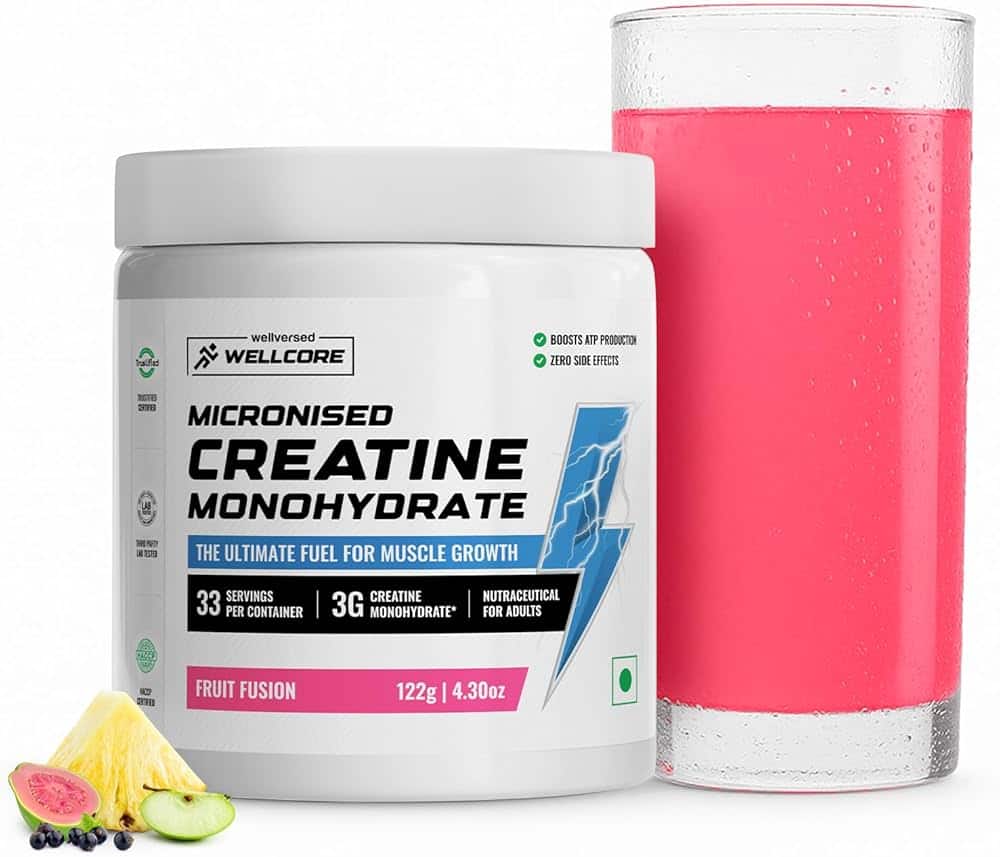
👉 💪 Check Best Creatine for Beginners in India (Trusted Picks)
👉 Creatine dosage guide
👉 Creatine side effects
👉 Creatine not working
📊 Natural vs Supplement (For Teens)
| Option | Best Choice |
|---|---|
| Diet | ALWAYS first |
| Creatine | Optional |
❓ FAQ
Can a 14-year-old take creatine?
Parents should consult a healthcare professional before giving sports supplements to younger teenagers.
❓ Can a 15-year-old take creatine?
👉 Not recommended
❓ Is creatine safe for 17-year-olds?
👉 Yes, with proper guidance
❓ Does creatine affect height?
👉 No scientific proof
❓ Should teens take creatine daily?
👉 Only if needed and monitored
Does creatine stunt growth?
There is currently no strong scientific evidence showing that creatine stunts growth.
Does creatine affect puberty?
There is no strong evidence that creatine affects normal puberty.
Is creatine better than protein powder?
No.
Protein and creatine have different roles in sports nutrition.
Should parents worry about creatine?
Parents should ensure supplements are used only when appropriate, alongside good nutrition and proper supervision.
🧠 Final Verdict
Creatine is not a necessary supplement for most teenagers beginning their fitness journey.
The strongest foundation for young athletes remains:
✔ Nutritious meals
✔ Progressive training
✔ Adequate sleep
✔ Hydration
✔ Recovery
If creatine is being considered, it should ideally be discussed with a qualified healthcare professional or sports nutrition expert, especially for adolescents.